Protecting Workers in the Metal Fabrication Industry with Machine Guards
Facility managers set the tone for safety on the floor. Policies matter, but day-to-day results come from how well teams control risk around equipment. Machine guarding sits at the center of that effort. When guards are properly planned, installed, and maintained, they reduce exposure to hazards and keep operations moving.
Start With the Risk, Not the Product
Every machine presents different risks. Rotating parts, pinch points, flying debris, and points of operation all require attention. A quick walkthrough of the floor often reveals where employees work too close to moving components or where access is too open.
Address those risks first. Then choose a guarding solution that fits the application rather than forcing a one-size-fits-all solution across the facility.
Build Protection Into the Layout
Guarding works best when it becomes part of the layout rather than an afterthought. Place barriers where people actually move, stage materials, and perform maintenance.
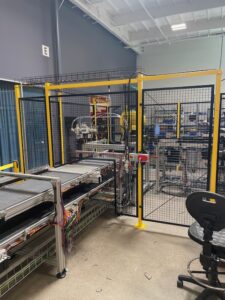
Our RapidGuard® II machine guarding systems allow teams to build perimeters around robotic cells, conveyors, and automated equipment. Panels can follow the machine’s footprint and create clear boundaries that guide behavior. When employees see a defined enclosure, they understand where access is restricted.
Control Access at the Right Points
A solid barrier only works if access points are managed. Gates and doors should sit where operators need them, not where they are easiest to install.
Our guarding systems include swing and sliding doors that can integrate with safety interlocks and gate switches. When a door opens, the system can stop the machine, reducing the risk of contact. This approach supports safe maintenance and reinforces proper procedures without slowing production.
Extend Safety Beyond the Machine
Hazards rarely stop at the edge of a machine. Nearby walkways, staging areas, and adjacent workstations can expose employees to risk if they sit too close to active equipment.
Our wire partition systems help create additional separation around high-traffic areas. Teams can define pedestrian paths, isolate work zones, and keep non-essential traffic away from machines. This layered approach strengthens protection across the entire area.
Maintain Visibility and Awareness
Teams need to see what is happening inside guarded areas. Clear sightlines allow supervisors to monitor operations and respond quickly.
Wire mesh panels support visibility while still providing a physical barrier. Operators can check status, confirm movement, and communicate without entering the enclosure. This keeps work flowing and reduces unnecessary interruptions.Keep Guards in Working Condition
Even the best system loses value if it falls out of use. Doors get propped open, panels shift, and hardware loosens over time.
Set expectations for regular inspections. Check that doors close properly, interlock function as intended, and panels remain secure. When teams treat guarding as part of routine maintenance, safety stays consistent.
Make Guarding Part of Daily Operations
Effective machine guarding does not rely solely on reminders. It relies on clear design, controlled access, and consistent use.
Our RapidGuard® II systems and wire partition solutions help facilities establish those standards. They give teams the tools to protect employees, manage access, and keep equipment running without unnecessary risk.
To discuss machine guarding in your facility, contact a member of our team or request a quote today!
To learn more about WireCrafters, visit www.wirecrafters.com or follow us on YouTube, LinkedIn, Facebook, and Instagram.