Deep Dive: Understanding OSHA 1910.212 (General Machine Guarding Standard)
Machine safety is at the core of every successful manufacturing operation. To protect workers from serious injuries, OSHA established 1910.212 General Requirements for All Machines, which serves as the foundation of machine guarding compliance. Whether your facility uses older equipment or the latest automated systems, understanding what this standard requires is essential to maintaining a safe, compliant, and productive workplace.
What OSHA 1910.212 Requires
OSHA 1910.212 outlines the general guarding requirements that apply to nearly all machinery, regardless of type or age. The rule states that any machine part, function, or process that could cause injury must be safeguarded. This includes the following:
- Point of Operation: The area on a machine where work is performed on the material, such as cutting, shaping, boring, or forming. Guards must prevent hands or fingers from entering this danger zone.
- Rotating Parts: Shafts, spindles, couplings, and other rotating components must be enclosed or guarded to prevent entanglement.
- Nip Points: Also known as pinch points, these occur where two parts of the body move together and can catch clothing, hair, or other body parts. Rollers, pulleys, and gears are common examples.
- Flying Chips and Sparks: Guards or shields must protect workers from debris or projectiles that result from machining, grinding, or cutting operations.
The guiding principle behind OSHA 1910.212 is simple. If a machine part poses a hazard, it must be guarded, regardless of how frequently it is accessed or how long the task takes to complete.
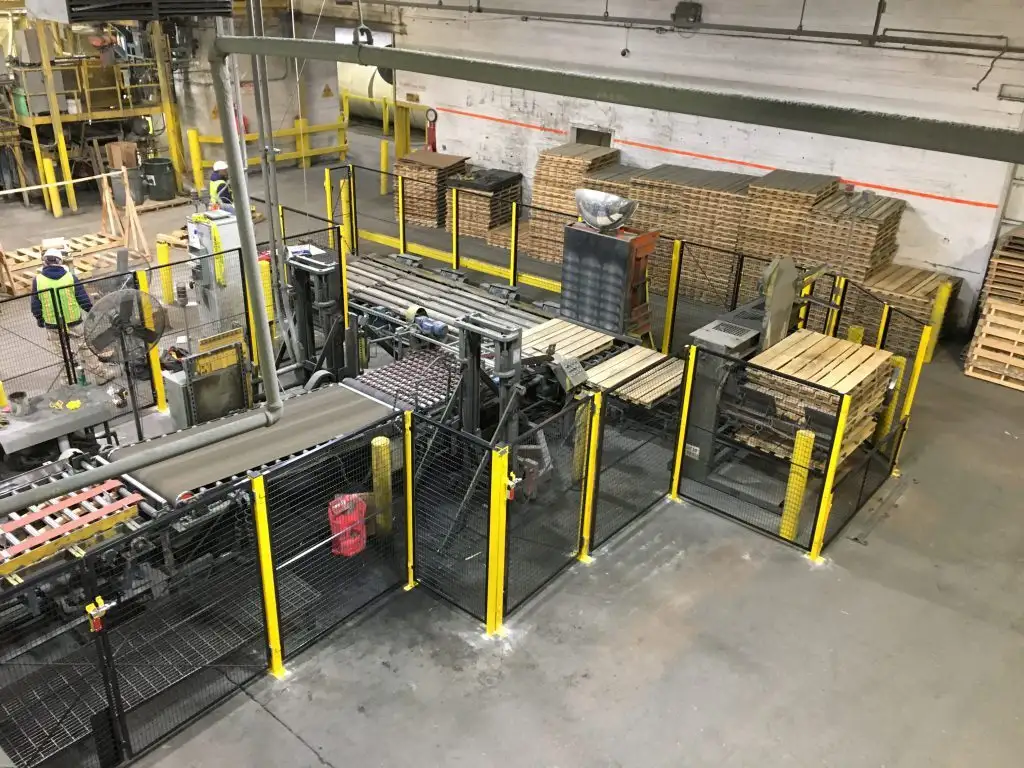
Compliance should not be the finish line but rather the starting point. While OSHA 1910.212 sets the minimum safety requirements, taking one step further helps build a stronger safety culture.
For example, using RapidGuard II machine guarding systems not only meets OSHA requirements for point-of-operation safety but also simplifies maintenance with quick-access panels. Adding guardrail systems and safety fencing provides clear visual boundaries for restricted areas, creating another layer of protection that supports both safety and efficiency.
Clarifying Common Misconceptions
Several misconceptions about OSHA 1910.212 persist in the manufacturing industry. Below are some of the most common ones:
- Myth #1: “If the machine came without a guard, it must not need one.”
This is false. Regardless of a machine’s original design, if a moving part could cause injury, it must be guarded. Employers are responsible for retrofitting guards on older or imported machinery to ensure worker safety.
- Myth #2: “Warning signs are enough.”
Signs and labels are helpful reminders, but they cannot replace physical guarding. OSHA requires physical barriers or devices that prevent access to hazardous areas.
- Myth #3: “Interlocked guards slow down production.”
Modern guarding solutions are designed to improve both safety and efficiency. Systems such as RapidGuard II allow for fast panel removal and reinstallation, promoting safety without disrupting workflow.
Interpreting the Standard for Older and Newer Machinery
A common question many facilities have is how OSHA 1910.212 applies to older equipment. The answer is that the same standard applies to all machines, whether they are decades old or newly manufactured. The way a facility achieves compliance, however, may differ.
- Older Machinery:
Many older machines were not built with integrated guards. In these situations, modular guarding systems such as WireCrafters’ machine guarding panels are a practical retrofit solution. These panels can be installed without modifying the machine itself, bringing legacy equipment into compliance while maintaining accessibility for operators and maintenance staff.
- Newer Machinery:
Modern machines often include built-in guards or safety interlocks, but employers must ensure that these features are maintained and never bypassed. Routine inspections are crucial to verify that all safety devices are operational and comply with OSHA’s requirements.
OSHA ultimately holds employers accountable for ensuring all machinery, regardless of age or design, is adequately guarded.
Building a Safer Workplace
Understanding OSHA 1910.212 is about more than compliance. It is about protecting people, reducing downtime, and reinforcing a safety-first culture throughout your operation. At WireCrafters, we design and manufacture modular guarding systems that meet and often exceed OSHA standards. Our solutions help facilities protect employees while maintaining efficient access for production and maintenance.
Ready to improve safety in your facility?
Contact us today or request a quote to learn how WireCrafters can help your team stay compliant and protected.
To learn more about WireCrafters, visit www.wirecrafters.com or follow us on YouTube, LinkedIn, Facebook, and Instagram.