Machine guarding protects employees from serious workplace hazards. It also helps manufacturers meet OSHA requirements and create a safer production environment. The challenge is knowing where to begin.
A simple checklist can help identify gaps before they become safety problems. Here are six areas every manufacturer should review.
1. Identify Machines That Need Guarding
Start by walking the production floor.
Look for equipment with moving parts, rotating shafts, pinch points, cutting surfaces, or areas where employees could come into contact with hazardous motion. Review both new and existing equipment to make sure every machine has the proper level of protection.
A routine inspection helps uncover risks before they lead to an injury.
2. Check for Proper Physical Barriers
Machine guards should prevent employees from reaching hazardous areas during normal operation.
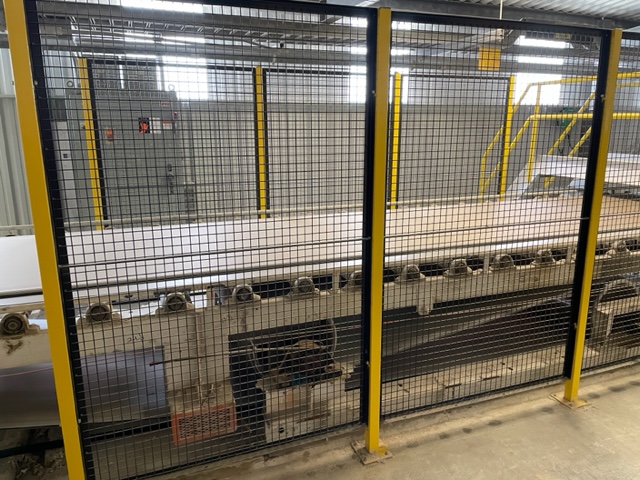
Our RapidGuard® II machine guarding systems create durable barriers around robotic cells, conveyors, palletizers, and automated equipment. The modular design allows facilities to build guarding that matches each machine and production line.
Inspect each enclosure to make sure panels remain secure and free from damage.
3. Review Doors and Access Points
Employees need safe access during maintenance, inspections, and equipment changeovers.
Make sure doors close properly and open only where needed. If your operation requires additional protection, add safety interlocks and gate switches that stop equipment when an access door opens.
Managing entry points helps reduce the chance of accidental contact with moving machinery.
4. Protect Areas Around the Machine
Machine safety extends beyond the equipment itself.
Review nearby walkways, workstations, and material staging areas. Employees should not pass through hazardous zones to complete routine tasks.
Our wire partition systems help facilities separate production equipment from pedestrian traffic and define safe work areas throughout the plant.
5. Train Employees on Safe Procedures
Machine guards work best when employees understand how to use them.
Review lockout/tagout procedures, emergency stops, and access rules with operators and maintenance teams. Encourage employees to report damaged guards or unsafe conditions as soon as they notice them.
Regular training helps build safer habits across the facility.
6. Inspect and Maintain Your Guarding
Machine guarding requires regular attention.
Inspect panels, doors, hardware, and interlocks as part of your preventive maintenance program. Replace damaged components quickly and review guarding whenever equipment moves or production changes.
Routine inspections help keep safety systems working as intended.
Make Machine Guarding Part of Your Safety Program
OSHA machine guarding starts with identifying hazards and protecting employees before an incident occurs. Regular inspections, proper guarding, and ongoing training all play an important role in workplace safety.
Our RapidGuard® II machine guarding and wire partition systems help manufacturers protect employees, control access around equipment, and support safer production environments.
Contact a member of our team today to learn more about our machine guarding solutions or request a quote for your facility.
To learn more about WireCrafters, visit www.wirecrafters.com or follow us on YouTube, LinkedIn, Facebook, and Instagram.