Maintenance, Inspection and Monitoring of Guards: Lifecycle Management
Proper machine guarding begins with installation, but long-term safety requires ongoing attention. Routine maintenance, regular inspections, and continuous monitoring ensure that guards remain effective throughout their lifecycle. When facilities take a proactive approach to guard management, they reduce risk, maintain compliance, and protect both workers and equipment.
Integrating Guard Inspection into Routine Maintenance
Machine guards should be included in every scheduled maintenance plan. Treating guards as essential components rather than afterthoughts helps prevent minor issues from becoming major safety concerns.
- Visual Checks: During each maintenance cycle, technicians should verify that WireCrafters’ guarding panels, RapidGuard® II doors, and custom enclosures remain firmly installed.
- Functional Testing: Sliding doors, lift-out panels, and hinged access points should operate smoothly without sticking or excessive resistance.
- Cleaning and Clearing: Dust and debris can compromise visibility and access around guarded areas, so cleaning guards is an important part of every maintenance visit.
By combining guard inspection with standard maintenance tasks, facilities create a consistent rhythm of evaluation that supports long-term safety.
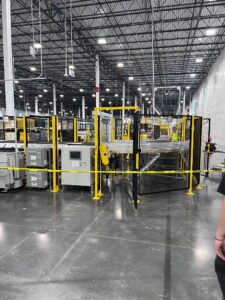
Monitoring Wear, Alignment and Fastener Integrity
Guards may appear intact, yet small signs of wear can grow into larger hazards if not addressed. Effective lifecycle management includes close monitoring of several key factors.
- Wear: Over time, high-traffic areas, forklift impacts, or repetitive vibrations can weaken guarding components. Wire mesh panels, door tracks, and posts should be checked for deformation or fatigue.
- Alignment: Guarding systems must remain properly aligned to protect access points. Misaligned doors or panels can create openings that violate OSHA requirements or allow unsafe reach into hazardous areas.
- Fastener Integrity: Bolts, clips, and hardware can loosen with activity on the plant floor. Routine tightening of fasteners on WireCrafters guarding systems helps keep every panel secure.
Monitoring these details ensures that the guarding performs as designed throughout the lifetime of the equipment it protects.
When Guards Become Hazards
A poorly maintained guard can be just as dangerous as having no guard at all. Loose components, bent frames, and damaged hinges can introduce new hazards.
- A loose panel can fall or shift unexpectedly.
- A failing hinge may allow a door to swing open on its own.
- A bent frame might create a pinch point or restrict emergency access.
If any guarding system begins to create risk rather than reduce it, the equipment should be taken offline until repairs are completed. WireCrafters offers replacement panels, posts, hinges, and hardware that allow facilities to restore safety quickly without replacing the entire system.
Supporting Safe Equipment Throughout Its Lifecycle
Effective machine guarding is not a one-time purchase. It is a long-term commitment to maintenance, monitoring, and improvement. By incorporating guards into routine maintenance schedules and addressing issues as soon as they appear, facilities protect their employees and uphold their productivity.
We provide durable, modular guarding solutions that are designed for easy inspection and long-term performance. Whether you need RapidGuard® II panels for automation equipment, custom guarding for unique applications, or replacement components to refresh an existing system, our products support every stage of your guarding lifecycle.
Keep your facility safe for the long run. Contact us or request a quote today to learn how WireCrafters can help you maintain effective guarding throughout every stage of equipment use.
To learn more about WireCrafters, visit www.wirecrafters.com or follow us on YouTube, LinkedIn, Facebook, and Instagram.