Every machine creates a different set of risks. A conveyor may create pinch points. A robot can move into an employee’s work area. Other equipment may expose workers to cutting, crushing, or flying debris.
A machine risk assessment helps teams find these hazards before someone gets hurt. It also helps them decide how to reduce each risk.
What Is a Machine Risk Assessment?
A machine risk assessment takes a close look at equipment and the work around it.
The process starts by finding possible hazards. Teams then review how those hazards could cause harm. They also look at how often workers may face each risk.
From there, teams can choose ways to reduce the risk.
This process should cover more than normal machine use. Setup, cleaning, repairs, and maintenance can also expose workers to hazards.
Start With the Machine Hazards
Teams first need to understand where an injury could occur.
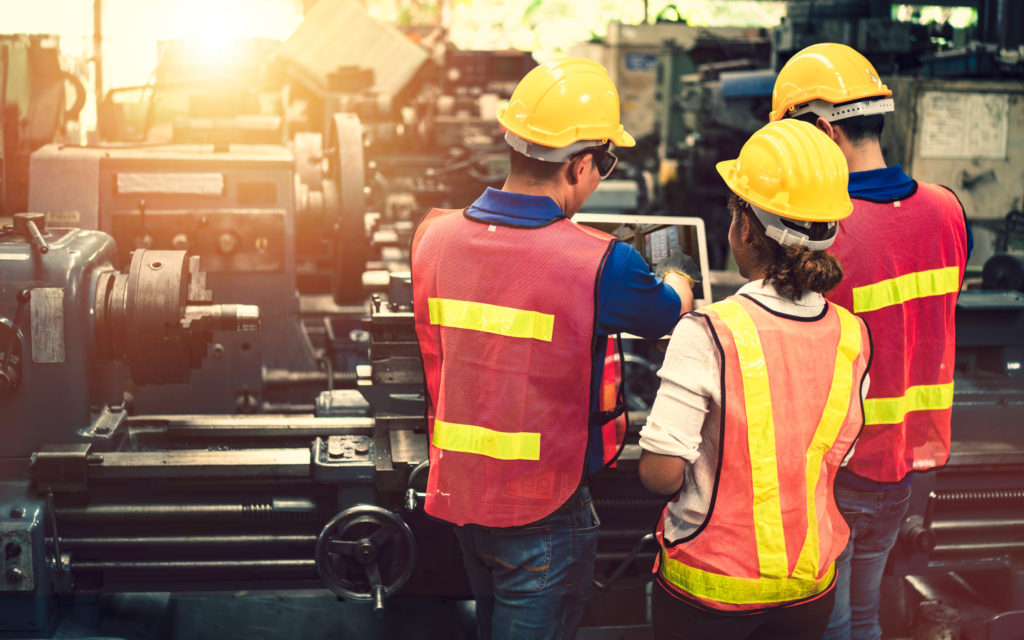
Look for moving parts, pinch points, rotating parts, and points of operation. Cutting, punching, shearing, and bending can also create hazards.
Do not focus on the machine alone. Look at how workers use it. Consider where they stand, how they load parts, and when they need access.
These details can reveal risks that may not seem clear at first.
Review Who Could Face the Risk
Machine operators are not the only people who may enter a hazard zone.
Maintenance teams, supervisors, cleaners, and other employees may work near the equipment. Each person may interact with the machine differently.
A good machine risk assessment accounts for those tasks. It also looks at how often workers enter the area and how close they come to a hazard.
Choose the Right Safety Measures
Once teams identify the risks, they can decide how to address them.
Physical barriers can help prevent workers from reaching dangerous equipment. Our RapidGuard® II machine guarding creates a barrier around robots, conveyors, and other machines.
The wire mesh panels keep workers away from hazards while allowing a clear view of the equipment. Teams can also add doors where they need access for service or other tasks.
Some applications may need safety interlocks or gate switches as part of the machine safety system. These options help control access when workers need to enter the guarded space.

Think About Distance and Access
Guard placement matters.
A barrier must keep workers far enough away from the hazard. Teams should consider the guard’s height, the size of its openings, and its distance from the machine.
They should also think about access. Workers may need to enter the area for service, cleaning, or repairs.
Planning these access points early can help create a machine guarding system that supports both safety and daily work.
Review Risks When Operations Change
A risk assessment should not become a document that sits on a shelf.
New equipment can create new hazards. Moving a machine can change how workers approach it. A new process may also change how often employees need access.
Review machine risks when operations change. Teams should also check existing guards to make sure they still protect workers as planned.
Turn Risk Assessment Into Risk Reduction
A machine risk assessment gives teams a better view of the hazards in their facility. The next step is taking action.
Machine guarding can play an important role in that plan. Our RapidGuard® II machine guarding offers a flexible way to create barriers around many types of industrial equipment. Doors, wire mesh panels, and safety components can help teams build a system around the needs of each application.
If your machine risk assessment shows a need for physical guarding, contact our team to discuss your application or request a quote for RapidGuard® II today.
To learn more about WireCrafters, visit www.wirecrafters.com or follow us on YouTube, LinkedIn, Facebook, and Instagram.