Industrial robots have changed how manufacturers handle production, assembly, and material movement. They can perform repetitive tasks quickly and precisely, but their movements also create safety risks.
Unlike traditional machinery, robotic systems may move in several directions within a large operating area. Employees who work nearby need protection from unexpected movement, moving components, and other hazards.
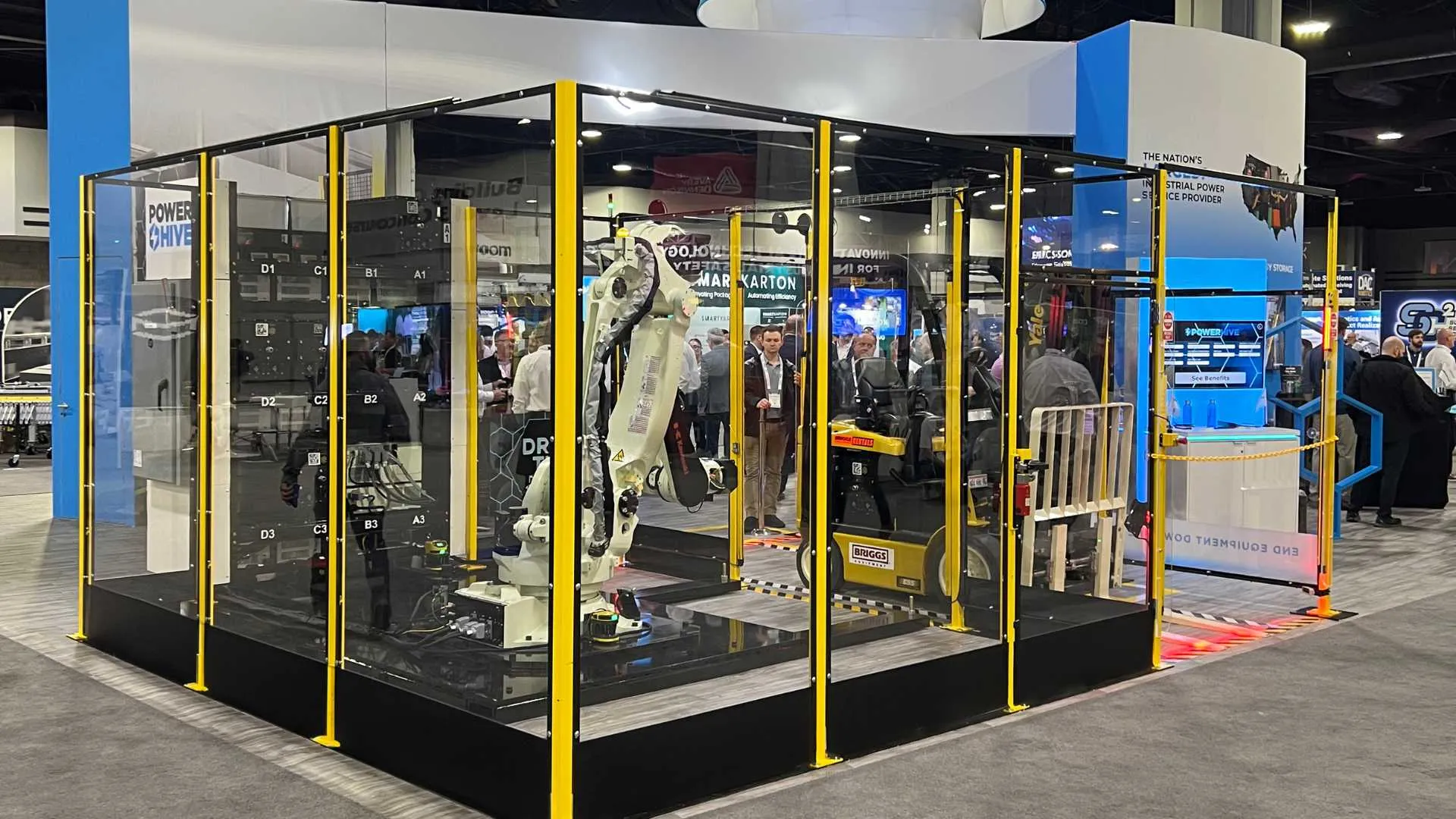
Machine guarding for robotic work cells helps manufacturers separate employees from dangerous areas while maintaining efficient operations. However, a safe robotic work cell requires more than a barrier around the equipment.
Understanding the Risks Inside a Robotic Work Cell
A robotic arm can reach beyond its immediate position during normal operation. Depending on the application, it may rotate, extend, or move materials through several points within the work cell.
Those movements can create crushing, pinching, and impact hazards.
Robotic systems may also work alongside conveyors, palletizers, and other automated equipment. Each connected machine can introduce additional risks that manufacturers need to consider.
A robot risk assessment helps identify hazardous movements, potential contact points, and areas where employees may need access.
The assessment should account for the robot’s full operating range, including attached tools and materials. It should also consider unexpected movement, equipment failures, and tasks that require employees to enter the work cell.
Understanding those risks helps manufacturers determine where protective barriers belong.
Why Perimeter Guarding Matters for Industrial Robots
Robotic work cells often require a larger guarded area than machines with limited movement.
A barrier placed too close to a robotic arm may not provide enough clearance for its full range of motion. However, placing guarding too far away can use valuable floor space and affect nearby operations.
Manufacturers must balance the robot’s operating area with proper safety distances and employee access.
WireCrafters RapidGuard® II provides a modular perimeter machine guarding solution for robotic work cells and automated equipment.
Its welded wire mesh panels create a physical barrier between employees and hazardous machinery. The open design also allows operators to monitor robotic activity from outside the guarded area.
RapidGuard® II uses a compact mounting system that can help facilities make better use of available floor space. Manufacturers can configure panels around different equipment layouts while maintaining the required safety clearances.
Safe Access Requires Careful Planning
Even fully automated robotic systems need occasional human interaction.
Employees may enter a work cell to adjust equipment, remove materials, inspect components, or perform maintenance. Those tasks create additional safety concerns when robots or connected machinery can move unexpectedly.
Access points should support the work employees need to perform without exposing them to unnecessary hazards.
Hinged and sliding doors can provide entry to guarded areas. Depending on the application, facilities may also need safety interlocks that work with machine controls.
RapidGuard® II offers door options and available safety interlocks for controlled access.
However, opening an interlocked door does not always remove every hazard. Some robotic systems may require additional protective measures to address stored energy or movement that continues after a stop command.
Employees must also follow applicable lockout/tagout procedures during covered servicing and maintenance activities.
Robotic Work Cells Need Room to Evolve
Manufacturers often expand automation as production demands change.
A facility may add another robotic arm, change an end-of-arm tool, or connect new equipment to an existing work cell. Those changes can affect the space the robot needs and the hazards employees may face.
Machine guarding should account for future adjustments whenever possible.
Modular systems such as RapidGuard® II allow facilities to modify many guarding layouts as equipment configurations change. The system also features lift-off panels that authorized personnel can remove with tools when necessary.
Still, any equipment modification requires a fresh review of the work cell’s safety needs. New movements or access points may require additional safeguards.
Keep Safety in Focus as Automation Grows
Robotic automation can improve productivity, but safe operation depends on thoughtful planning.
Manufacturers should involve safety personnel, equipment operators, and maintenance teams when designing robotic work cells. Their input can help identify concerns that may not appear in the initial equipment layout.
A well-planned robotic guarding system supports safer operations while giving employees practical ways to work around automated equipment.
Planning a new robotic work cell or upgrading an existing system? Contact us or request a quote to discuss your machine guarding needs.
To learn more about WireCrafters, visit www.wirecrafters.com or follow us on YouTube, LinkedIn, Facebook, and Instagram.