Choosing the right machine guard starts with the work taking place inside the guarded area. Some machines need a barrier that stays in place. Others need regular access for loading, service, or other tasks.
Fixed guards and interlocked guards can both help protect workers. However, they work differently. Knowing the difference can help you choose the best machine guarding system for your facility.
What Is a Fixed Machine Guard?
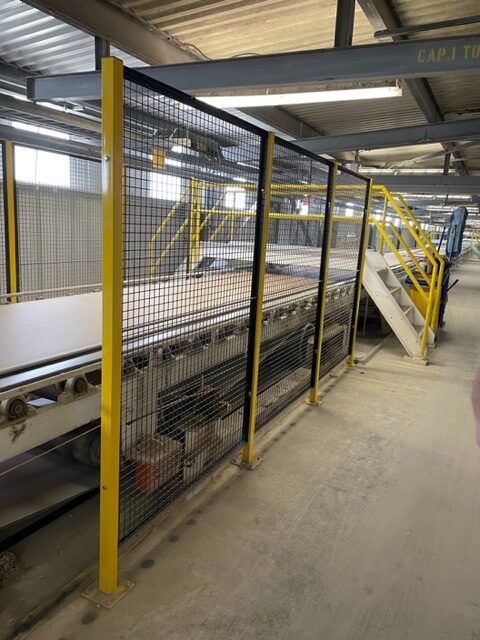
A fixed guard creates a physical barrier between a worker and a machine hazard. It stays secured in place during normal use.
Fixed guards work well around areas that employees do not need to access often. They offer a simple way to block contact with moving parts, pinch points, and other hazards.
Our RapidGuard® II machine guarding can create fixed barriers around robots, conveyors, and other automated equipment. The wire mesh panels also give workers a clear view of the machine from outside the guarded area.
Fixed guards offer another benefit. They do not rely on an electrical safety system to provide the barrier.
When Should You Use a Fixed Guard?
Consider a fixed guard when workers rarely need access to the hazard area.
This type of machine guard can work well for equipment that runs for long periods with little worker contact. It can also protect areas that only maintenance staff need to enter during planned service.
A fixed system keeps the setup simple. Yet teams may need to remove part of the guard to perform certain repairs or adjustments.
What Is an Interlocked Machine Guard?
An interlocked guard adds another layer to the machine safety system.
The interlock connects a door or movable guard to the machine controls. Opening the guard stops or disengages machine operation and prevents a new cycle from starting while the guard remains open.
This setup gives workers access when a task calls for it while helping protect them during normal machine operation.
RapidGuard® II doors can work with safety interlocks and gate switches to support this type of application.
When Does an Interlocked Guard Make Sense? 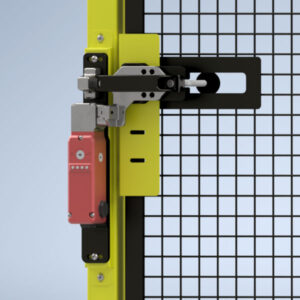
Some machines require workers to enter the guarded area more often.
An operator may need to load material. A technician may need to adjust. Another process may require regular access during the workday.
An interlocked guard can make sense in these cases. Workers can use a set access point instead of removing a fixed panel each time they need to enter.
The system also helps control how workers interact with the guarded area.
Consider Maintenance Needs
Maintenance should factor into your choice.
A fixed guard may work well when teams only need access during planned service. An interlocked door may offer a better fit when workers need more frequent entry.
Keep in mind that an interlock does not replace proper lockout/tagout procedures. Teams still need to follow required energy control steps during service and maintenance when hazardous energy could cause harm.
Planning these tasks early can help you create a safer, more useful guarding layout.
Can You Use Both Types of Machine Guards?
Yes. Many applications benefit from both.
A facility may use fixed RapidGuard® II panels around most of a robotic cell. It can then add an interlocked door at the main access point.
This approach keeps permanent barriers around areas that do not need regular access. At the same time, it gives workers a controlled way to enter the cell when needed.
Choose Machine Guarding Based on the Application
No single machine guard fits every application. Start with the hazard. Then look at how often workers need access and what tasks they perform near the equipment.
Our RapidGuard® II machine guarding gives facilities options for both fixed barriers and controlled access points. We can configure panels, doors, and safety components around the needs of the equipment and the people who work with it.
Not sure which type of machine guard fits your application? Contact our team to discuss your safety needs or request a quote for RapidGuard® II today.
To learn more about WireCrafters, visit www.wirecrafters.com or follow us on YouTube, LinkedIn, Facebook, and Instagram.